The Architecture of Silence
In the high country, time does not move in a straight line. It pools like water in the hollows of stone, gathering the debris of centuries until the past and the present become indistinguishable. We build our monuments with the arrogance of the living, carving timber and iron into the mountainside, convinced that our industry will hold back the tide of the seasons. Yet, the mountain is a patient auditor. It watches as the paint peels, as the roof sags, and as the forest slowly reclaims the space we once claimed as our own. There is a profound dignity in this surrender. To be useful is a human ambition; to be beautiful in one’s decay is a natural grace. We look at these skeletal structures and we see our own fragility, the way our grandest intentions eventually soften into the landscape. If the earth eventually swallows our work, does the work lose its meaning, or does it simply become part of the mountain’s own long, slow memory?
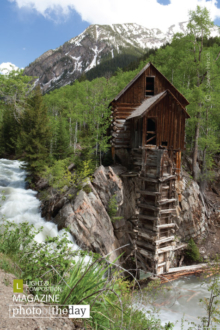
Steve Hirsch has captured this quiet surrender in his image titled Crystal Mill. It serves as a reminder that even the most stubborn structures eventually learn to speak the language of the wilderness. Do you find comfort in the way nature eventually invites our history back into the fold?