The Architecture of Silence
We often mistake silence for an absence, a hollow space waiting to be filled by the noise of our own intentions. Yet, if you sit with it long enough, you realize that silence is not empty at all; it is a heavy, physical thing, like the air before a storm or the dust motes dancing in a shaft of late afternoon light. It has a weight that presses against the skin, demanding a kind of surrender. We spend our lives building walls—schedules, obligations, the constant hum of digital chatter—to keep that silence at bay, fearing that if we truly stopped to listen, we might hear something we aren’t prepared to answer. But what if the stillness is not a void, but a foundation? What if the things that endure, the mountains and the ancient stones, are simply those that have learned to hold their breath while the rest of the world rushes toward its own exhaustion? How much of our own humanity are we trading for the comfort of the noise?
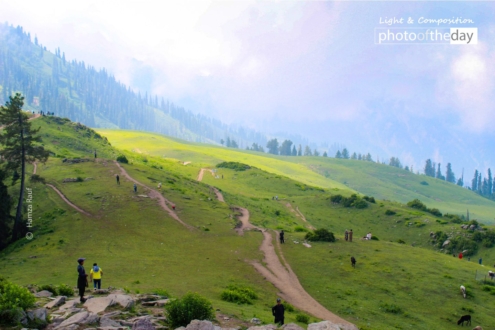
Hamza Rauf has captured this profound stillness in his work titled Nature. It is a quiet invitation to step away from the clamor and simply breathe in the vast, unhurried space he has found. Does this view make you feel smaller, or does it make you feel like you are finally taking up the right amount of room?