
The Architecture of Play
When a colony of leafcutter ants constructs a trail, they do not merely move from point A to point B; they create a complex, interconnected infrastructure that reflects the efficiency of their collective intent. Each fragment of leaf is a structural unit, a building block in a larger, invisible design that serves the survival of the whole. We often view our own domestic spaces as static containers, yet they are just as dynamic, shifting under the weight of our daily rituals. We build, we dismantle, and we rearrange our surroundings to make sense of the world, treating our living environments like a mycelial network that expands and contracts with our needs. We are constantly constructing temporary monuments to our own presence, unaware that the most profound patterns are often those we leave behind on the floor. If we were to step back and observe our own movements as if they were a biological process, would we recognize the geometry of our own intentions?
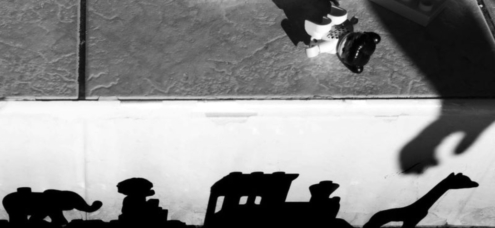
Klara Marciniak has captured this sense of structural wonder in her photograph titled Lego. It serves as a reminder that even the most modest domestic arrangements can reveal a hidden, rhythmic order. Does this image change how you perceive the patterns left behind in your own home?