
The Architecture of Passing
There is a specific weight to the space left behind by a person who has already turned the corner. It is not merely an empty hallway or a hollow passage; it is the lingering vibration of a footfall that has ceased to exist. I remember the way my father’s coat used to brush against the doorframe as he left for work—a soft, rhythmic friction that defined the morning. When he was gone, the doorframe remained, but the friction was erased, leaving a silence that felt heavy, almost solid. We spend our lives moving through these conduits, these transition points where we are neither here nor there, merely ghosts in transit. We are always leaving a version of ourselves in the wake of our movement, shedding our presence like dust in a shaft of light. If you stand still long enough in a place built for movement, do you become the architecture, or do you become the ghost that haunts it? What is it that we are actually trying to reach when we walk toward the end of a tunnel?
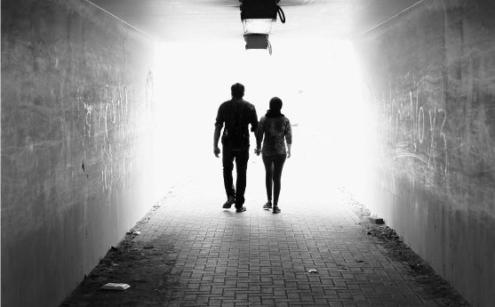
Jabbar Jamil has captured this fleeting transition in his beautiful image titled Walking through the Tunnel. He reminds us that even in the most ordinary transit, we are leaving a trace of our own existence behind. Does this silhouette feel like a departure to you, or an arrival?