The Architecture of Passage
When a beaver constructs a dam, it does not merely pile wood and mud; it creates a watershed, a deliberate intervention that slows the frantic pace of the stream into a deep, reflective pool. This act of engineering is not an attempt to conquer the water, but to invite it to linger, allowing the silt to settle and the life within the current to find a moment of stillness. We often view our own paths as lines to be crossed, a means of getting from one point to another as efficiently as possible. We treat the landscape as a blur beneath our feet, ignoring the way a trail might actually be a conversation between the walker and the earth. What if we stopped measuring our progress by the distance covered and started measuring it by the depth of our attention? How much of the world do we miss when we are only concerned with the destination?
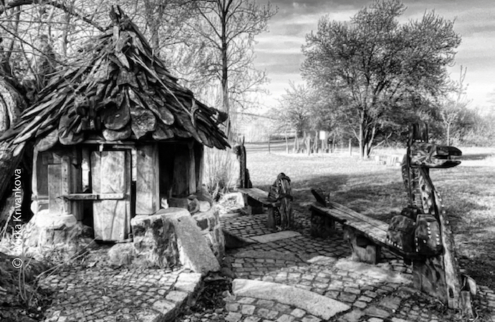
Mirka Krivankova has captured this quiet invitation in her work titled Educational Trail at Holske Ponds. The way the path winds through the trees suggests that the journey itself is the true purpose of the walk. Does this path look like a place where you might finally slow down?