
The Architecture of Memory
Monuments are rarely just stone and mortar; they are the physical manifestation of a society’s desire to freeze time. We build these grand, imposing structures to anchor our collective identity, yet they often function as mirrors, reflecting only the power and the aesthetics of the era that commissioned them. When we stand before such a site, we are participating in a curated history. We are invited to admire the symmetry and the scale, but we are rarely encouraged to look at the margins—at the labor that sustained the construction, or the lives that have been displaced or obscured by the weight of such permanence. The city is a document of who we value enough to remember, and who we choose to leave in the shadows of our grand narratives. We walk through these spaces, but do we ever truly inhabit them, or are we merely passing through a stage set designed to make us feel small? Who is the city actually for, when the history it celebrates is so far removed from the daily reality of the people who live in its shadow?
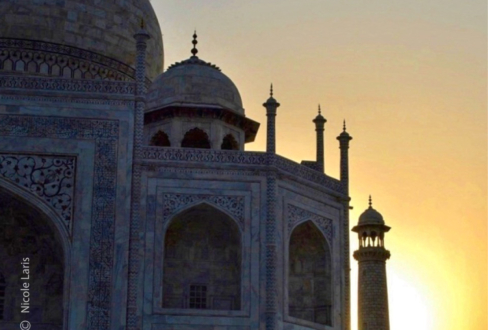
Nicole Laris has taken this beautiful image titled Sunset at Taj Mahal. She steps away from the expected vantage point to find a quieter, more personal dialogue with the structure. Does this shift in perspective change how you perceive the monument’s place in the world?