The Architecture of Memory
In the quiet corners of an old house, the wallpaper begins to curl like the edges of a dried leaf. It is a slow surrender. We often imagine that stone and mortar are permanent, a stubborn defiance against the inevitable thinning of the world, yet even the heaviest walls are merely waiting for the wind to reclaim them. There is a strange comfort in this erosion. It suggests that nothing is ever truly lost, only rearranged into a different kind of silence. We build our institutions and our homes with the arrogance of the present, convinced that our mark is indelible, forgetting that time is a patient tenant who eventually outstays every landlord. When the roof finally gives way to the sky, the interior becomes a garden for shadows and light, a place where the history of a room is written in the dust of its own collapse. If the walls could speak, would they mourn their own disintegration, or would they welcome the return to the earth?
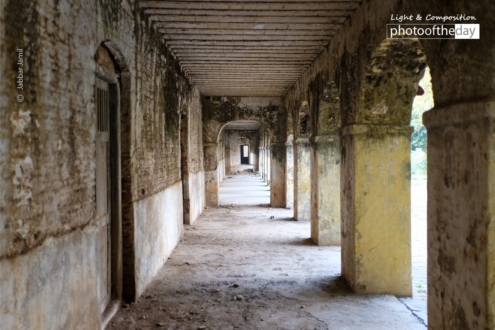
Jabbar Jamil has captured this quiet transition in his photograph titled Ruins. It serves as a gentle reminder that even in the heart of decay, there is a story still unfolding. Does this image make you feel the weight of the years, or perhaps the lightness of letting go?