The Architecture of Memory
We often mistake stone for something permanent, a stubborn refusal to yield to the slow, rhythmic pulse of the seasons. Yet, every wall is merely a vessel for the ghosts of intentions—the quiet echoes of those who once walked through doorways, leaving behind the invisible residue of their thoughts. Buildings are like roots that have grown above the soil, anchoring our fleeting presence to the earth. They hold the light differently than the trees do, catching the sun in ways that suggest a conversation between the past and the present. When we stand before a structure that has outlived its original purpose, we are not looking at bricks or mortar, but at a pause in time. It is a place where the air still tastes of old books and forgotten conversations, a sanctuary where the silence is not empty, but heavy with the weight of everything that has been left behind. Does the structure remember the hands that built it, or does it simply wait for the next shadow to fall across its threshold?
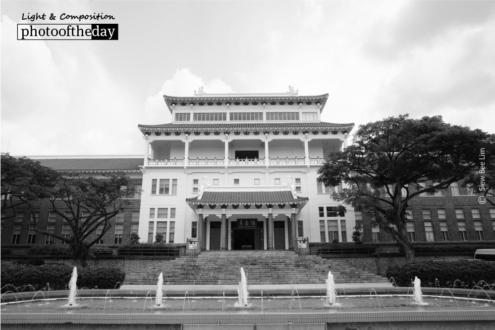
Siew Bee Lim has captured this profound sense of stillness in the image titled A Building of Former Nanyang University. It serves as a gentle reminder that even our most solid creations are eventually softened by the passage of time. Does this quiet silhouette stir any memories of places you once called home?