
The Architecture of Kinship
We often mistake the city for a collection of structures—steel, glass, and concrete—forgetting that its true foundation is the invisible network of human care. In the dense, frantic geography of urban life, we build walls to protect our private spheres, yet we are constantly shaped by the people we encounter in the margins. Who is responsible for the child left behind by the machinery of progress? Who claims the orphan as their own when the traditional family unit dissolves into the anonymity of the street? We tend to view these spaces as voids, places of lack, but they are often the sites where the most profound social contracts are written. Empathy is not merely a sentiment; it is a form of infrastructure. It is the bridge built between two strangers who share nothing but the weight of a common absence. When we choose to see the other, we are not just witnessing a moment; we are participating in the quiet, radical act of reclaiming a community that the city has otherwise rendered invisible. If the city is a document of our values, what does it say when we leave the most vulnerable to define their own survival?
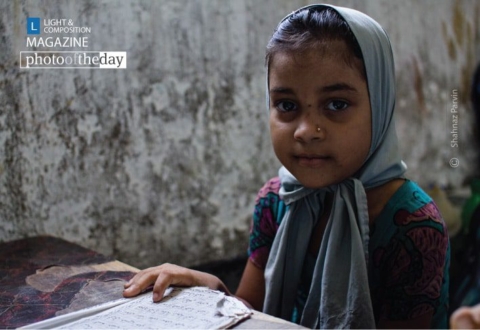
Shahnaz Parvin has captured this delicate intersection of grief and connection in her image titled Father’s Day for Rani. It serves as a reminder that even within the most institutionalized spaces, the human spirit finds a way to build a home. How do we ensure that such moments of grace are not just exceptions to the urban rule?