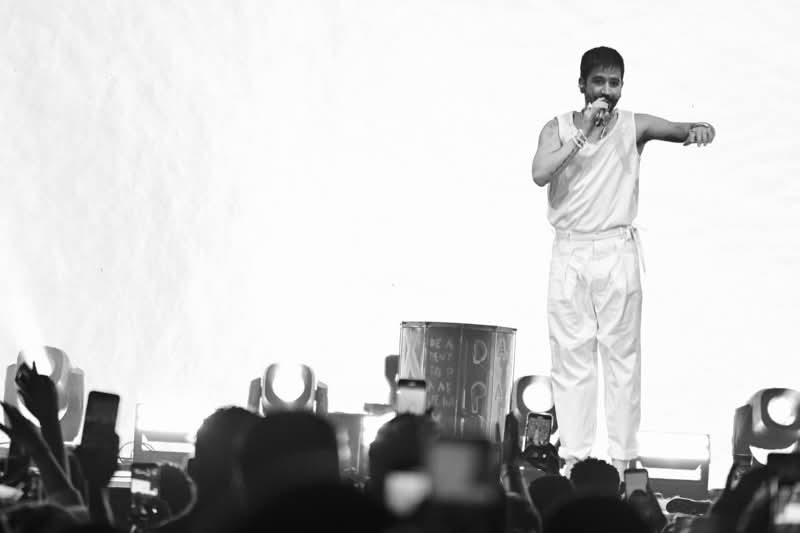
The Architecture of Joy
We often mistake the city for its hard surfaces—the concrete, the steel, the rigid lines of property boundaries that dictate where one life ends and another begins. Yet, the true geography of a neighborhood is not found in its zoning maps or its infrastructure, but in the fleeting, unscripted intersections of its inhabitants. When we look at a child in a public space, we are seeing the city in its most honest state. A child does not navigate the urban environment through the lens of utility or ownership; they inhabit it through play and presence. They claim the sidewalk as a living room and the street corner as a theater. In these moments, the hierarchies of the adult world—the barriers of class, the invisible lines of exclusion, and the cold efficiency of urban planning—temporarily dissolve. We are left with the raw, human pulse of a place that belongs to everyone, even if only for a heartbeat. What remains of that space when the laughter fades and the child moves on?
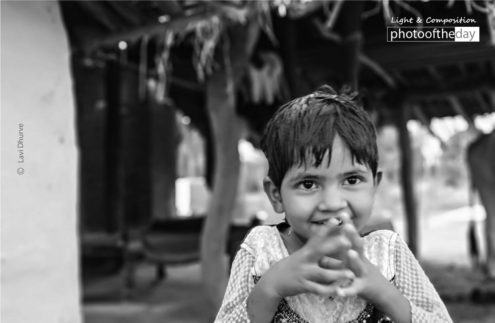
Lavi Dhurve has captured this spirit in the beautiful image titled Smiling Eyes. It serves as a reminder that the most significant landmarks in any city are the people who find joy within its borders. How do we design our streets to ensure that this kind of unburdened happiness is a permanent fixture rather than a passing moment?