The Architecture of Exclusion
We often mistake the built environment for a neutral backdrop, forgetting that every wall, fence, and boundary is a political statement. In urban sociology, we look for the ‘right to the city’—the idea that inhabitants should have a hand in shaping the spaces they occupy. Yet, so much of our geography is defined by what we choose to exclude. We build enclosures to curate nature, to contain the wild, and to impose a rigid order on things that were never meant to be static. These barriers are rarely just physical; they are social markers that dictate who is allowed to move freely and who is relegated to the margins. When we design spaces that prioritize observation over participation, we create a hierarchy of existence. We decide what is ornamental and what is essential, often at the cost of the very life we claim to be protecting. If the city is a document of our values, what does it say about us when we prioritize the view over the inhabitant?
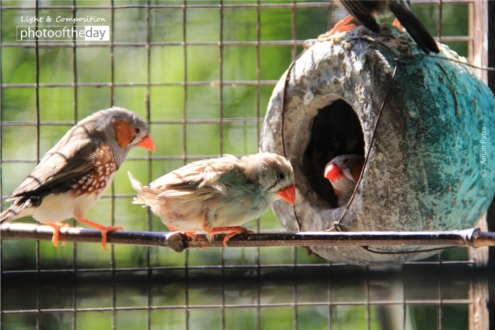
Anjan Patra has taken this powerful image titled Life in a Cage. It serves as a stark reminder of how we construct boundaries to define the limits of another’s world. Does this space feel like a sanctuary to you, or something else entirely?