The Architecture of Distance
In the quiet hours of the morning, I often find myself thinking about the way we measure space. We tend to think of distance as a void—something to be crossed, a gap between where we are and where we wish to be. But if you look closely at the maps of our lives, you realize that distance is actually a container. It holds the history of the ground beneath us, the slow shift of tectonic plates, and the way the air thins as it climbs toward the clouds. There is a specific kind of silence that lives in the high places, a silence that doesn’t feel empty, but rather full of everything that hasn’t been said yet. We spend so much of our time moving through the world at speed, treating the landscape as a blur of transit, forgetting that the earth is constantly holding its breath, waiting for us to stop and notice the way the shadows stretch across the valley floor. What is it that we are truly looking for when we seek the horizon?
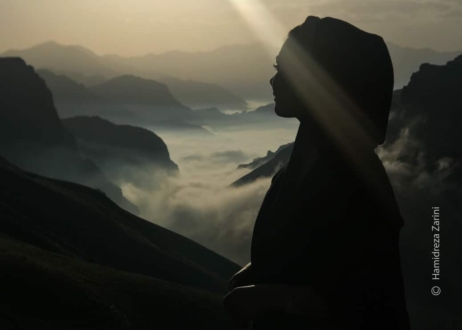
Hamidreza Zarini has captured this profound sense of scale in his work titled Pol-e Zanguleh. It serves as a gentle reminder that there is beauty in the vast, quiet spaces we often overlook. Does this view make you feel smaller, or perhaps a little more connected to the world?