
The Architecture of Belonging
We often mistake the city for its concrete skeleton, forgetting that the most vital infrastructure is the one that breathes. In urban theory, we talk about the ‘right to the city’—the idea that space is not merely a backdrop for existence, but a resource to be shared and negotiated. When we curate green pockets within the dense grid, we are making a political choice about who gets to pause and who is expected to keep moving. These patches of life are rarely accidental; they are managed, manicured, and designated. They represent a fragile contract between the wild and the controlled, a place where the non-human inhabitants perform their labor in plain sight, often ignored by the hurried commuters passing by. It forces us to consider the hidden hierarchies of our public spaces: who is permitted to linger, who is invited to thrive, and what happens when we prioritize the aesthetic of the garden over the messy, unscripted needs of the people who walk its edges? Is the city a sanctuary for all, or just a curated display for those with the time to look?
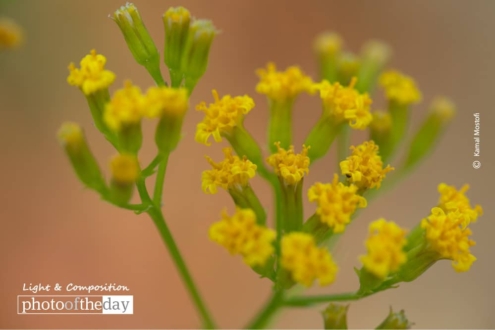
Kamal Mostofi has captured this tension beautifully in his image titled Honey. It serves as a reminder that even in our most structured urban environments, there is a constant, rhythmic negotiation for space. How do you see the balance between the wild and the built in your own neighborhood?