The Architecture of Belonging
We often mistake the city for a collection of static objects: concrete, glass, and asphalt. But a city is actually a verb—a continuous, unfolding process of negotiation. Every street corner is a site of social friction where the formal plans of architects collide with the informal needs of the people who actually inhabit the space. When we walk through a neighborhood, we are reading a document written in brick and shadow. Some spaces are designed to invite us in, offering benches and shade, while others are engineered to keep us moving, discouraging lingering and social cohesion. Who is permitted to stand still? Who is forced to keep walking? The way we occupy a space reveals the hidden power dynamics of our society. We are all participants in this urban theater, yet we rarely stop to ask if the stage was built for us or if we are merely extras in someone else’s script. What happens to the soul of a city when the public square no longer belongs to the public?
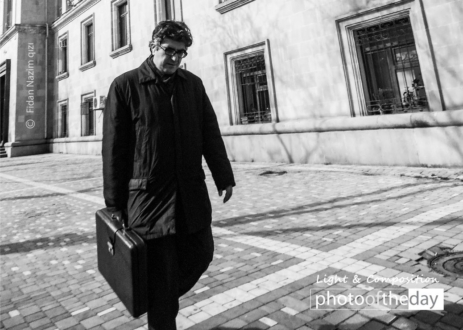
Fidan Nazim Qizi has taken this beautiful image titled A Street. It captures the quiet, rhythmic pulse of a city that feels both lived-in and waiting for its next chapter. As you look at these walls and paths, who do you imagine is truly at home here?