
The Architecture of Belonging
Cities are often described as machines for living, but that cold, mechanical definition ignores the sediment of human history left behind by those who settle in them. When people migrate, they do not just occupy space; they imprint their own cultural geography onto the existing grid. They carve out pockets of familiarity, creating a dialogue between the architecture of the host city and the memories of the home they left behind. These spaces become living documents of identity, where the signage, the density, and the rhythm of the sidewalk tell a story of negotiation. We must ask ourselves what these enclaves reveal about the broader urban fabric. Are they bridges of integration, or are they defensive perimeters built against a city that remains indifferent to their presence? The way a community marks its territory is a testament to the persistent human need to feel at home in a landscape that was never designed with them in mind.
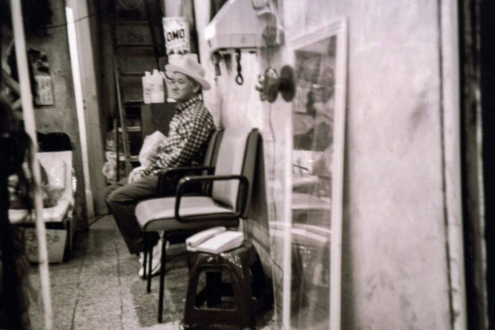
Juarez Malavazzi has captured this tension beautifully in his image titled Japanese Neighborhood. It serves as a stark reminder of how cultural identity reshapes the concrete reality of São Paulo. How do you see the city changing to accommodate the stories of those who move within it?
 The Perfect Mix by Ali El Awji
 An Evening Well Spent by Aditi Singh