
Stone Echoes of Power
Architecture is never neutral. Every archway, every courtyard, and every thick stone wall is a physical manifestation of a social contract, reflecting the values of those who commissioned the space and the labor of those who built it. We often look at grand structures as static monuments, yet they are living documents of hierarchy and exclusion. They tell us who was meant to stand in the center and who was relegated to the periphery. When we walk through these historic thresholds, we are stepping into a narrative of authority that has been carefully curated over centuries. The way light hits a surface can mask the reality of the lives once lived in the shadows of these grand designs. We must ask ourselves if these spaces were built to foster a community or to project an image of permanence that defies the messy, evolving nature of the people who actually inhabit the city. If these walls could speak, would they tell a story of collective belonging, or would they remind us of the distance between the rulers and the ruled?
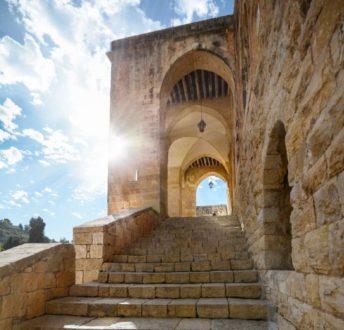
Zahraa Al Hassani has captured this tension in her work titled Beit Eddine Palace. The way the light interacts with the stone structure invites us to consider the legacy of the spaces we inherit. Does this architecture still serve the people, or has it become a museum of a power that no longer exists?