
Monuments to Whose Memory
Cities are often curated to project a singular, polished identity. We build grand facades along our waterways, turning the seat of governance into a spectacle of light and stone. These structures are designed to be viewed from a distance, demanding our awe while keeping the messy, lived reality of the citizenry at a respectful remove. When we gaze upon such monuments, we are participating in a performance of power. The architecture tells us who is important, whose history is worth preserving in gold, and whose presence is merely a footnote in the shadow of the state. But look closer at the geography of the city. Beyond the glow of the official landmarks, there is always the quiet, unlit periphery where the actual work of community happens. The grandeur of the center often relies on the invisibility of the margins. If we strip away the illumination, what remains of the people who sustain the city, and does the architecture truly belong to them, or are they merely passing through its long, cold shadow?
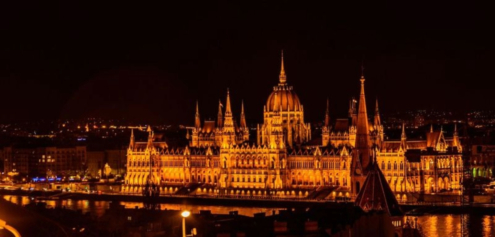
Suraj Krishnamurthy Cheemangala has taken this beautiful image titled The Golden Palace. It invites us to consider the weight of such structures against the dark, flowing currents of the river. When you look at this monument, do you see a home for the people, or a fortress of the elite?
 To The Teacher by Francisco Chamaca