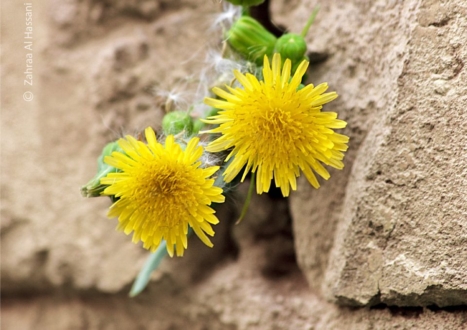
Concrete and Petals
Cities are often read as monoliths of stone and steel, designed to project permanence and authority. Yet, the true life of a city is found in the cracks—the places where the planned environment fails to suppress the organic. When we see something fragile thriving in a space defined by grit and hardship, we are witnessing a quiet rebellion against the sterility of urban design. It is a reminder that human geography is not just about the infrastructure we build, but about the persistence of life that refuses to be erased by the surrounding environment. We often look for the grand monuments to tell us the story of a place, but the real narrative is held by the small, overlooked things that manage to bloom despite the weight of the city pressing down on them. Who decides which parts of our environment are allowed to flourish, and what does it mean when nature claims a stake in a landscape built solely for human utility?