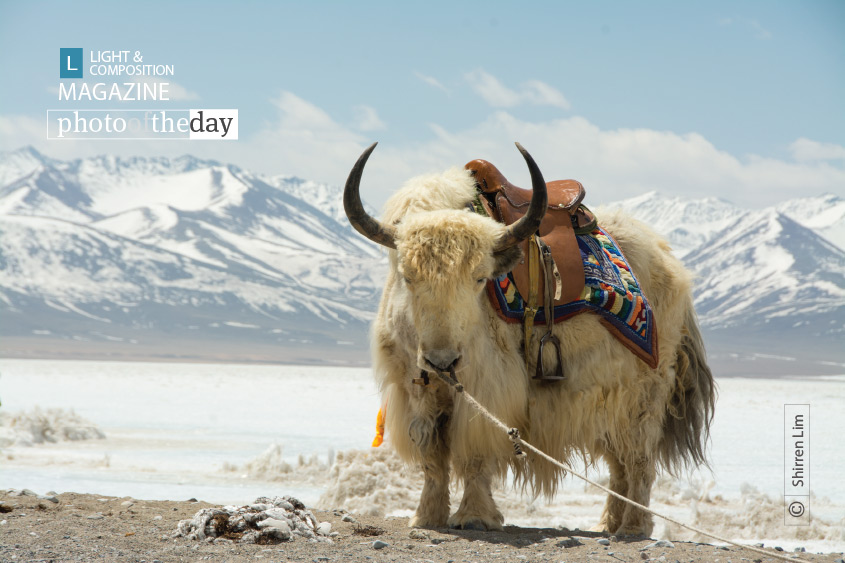
Portrait of a Yak by Shirren Lim
Captured at the high-altitude shores of Lake Namtso in Tibet, this striking portrait shifts the focus away from the typical landscape photography of the region. While fellow travelers were preoccupied with the surrounding mountain ranges, the photographer turned her lens toward a local yak, creating an intimate encounter with the beast. This decision highlights a keen eye for character and a desire to find beauty in the unexpected. The image is award-worthy for its bold departure from traditional scenery, capturing the raw, rugged essence of the Tibetan plateau through a singular, compelling subject.
Shirren Lim
Born in Penang Island, Malaysia, in 1970, Shirren Lim is a Jakarta-based photographer who discovered her true passion for the craft in 2009. Specializing in portraiture, she is deeply committed to capturing the sincerity and raw humanity of her subjects, a pursuit inspired by the iconic work of Steve McCurry. Her photography is widely recognized for its intense, earthy aesthetic and minimalist compositions that cut directly to the heart of the subject, earning her features in various international web and print publications.
Resonance Score Breakdown
Transparency Note: The resonance score (12.6/20) is calculated based on social engagement metrics collected before the award announcement.
Expert Photography Reviews · 7
The Weight of Breath
There is a silence that exists only at high altitudes. It is thin, sharp, and demands everything from the lungs. You stand in the cold, and the air feels like glass.
Read the reflection →The Weight of the Plateau
I remember sitting in a tea house in Leh, watching an old man brush the coat of his pack animal. The wind was howling off the glaciers, rattling the tin roof, but the man moved with a rhythmic, stubborn patience.
Read the reflection →Reviews & Comments
Share your thoughts about this award-winning photograph. Your reviews contribute to the community engagement score.
The yak’s coat, a bruised charcoal reminiscent of Morandi’s dustiest shadows, anchors the frame against the glacial, piercing cerulean of Lake Namtso. It’s a chromatic collision that leaves me breathless; the beast’s coarse, matted fur absorbs the thin, high-altitude light, creating a tactile weight that feels almost sculptural. One finds here a sublime, shivering dissonance, where the cold, unyielding blue of the water doesn’t merely frame the subject, but devours its very silhouette.
At Lake Namtso, the mountains demand our gaze, but Shirren Lim chose to listen to the silence of a yak instead. We look into those heavy, matted eyes and feel the biting Tibetan wind. It’s a portrait of endurance, not just scenery. I’m moved by how she found a soul in the rugged fur. She didn’t just photograph a beast; she sat with it. It’s a photograph that asks to be returned to, again and again.
Most photographers at Lake Namtso were busy chasing the mountains, but Lim looked down. It’s the texture of that matted, wind-whipped fur that anchors this portrait in reality. I’ve seen thousands of wildlife shots, yet this one sticks because it doesn’t romanticize the plateau; it treats the yak like a weary local. Honestly, the creature’s heavy-lidded gaze makes me feel like an intruder. It’s a rare, quiet dignity that will still matter in thirty years.
The frame breathes. It’s a tight close-up, the yak’s matted fur holding the grit of the plateau like a film grain that refuses to settle. Most would’ve panned wide for the mountains, but Lim held the cut here. It’s a character study, raw and unblinking. I’ve stared at those eyes for ten minutes; there’s a heavy, ancient rhythm in that gaze. It’s the shot the editor keeps because it’s the only one that truly matters.
At f/4, the focal plane cuts razor-thin across the yak’s ocular structure, resolving individual hairs against the soft, creamy bokeh of the Tibetan plateau. The diffraction of light across those coarse, matted fibers is, in the strictest physical sense, extraordinary. I’m genuinely moved by how the lens captures the micro-contrast of the animal’s iris. It’s a rare moment where the glass doesn’t just record; it reveals the raw, biological complexity that our eyes usually miss.
f/5.6 at 200mm, 1/500s, ISO 200. A tight focal length choice. It isolates the yak’s matted coat from the chaotic Namtso shoreline. The shallow depth of field is a calculated risk that pays off; it forces the viewer into the animal’s space. I’ve spent years looking at these Tibetan landscapes, but this focus on texture actually makes me feel the biting cold. It’s a precise, clinical execution. The technical choices finally justify the subject.
At Lake Namtso, the yak isn’t merely fauna; it’s a monolith of matted fur absorbing the thin, cruel light of the plateau. Lim doesn’t fear the void here. She lets the creature’s silhouette dissolve into the encroaching gloom, forcing us to confront the animal’s heavy, indifferent existence. I’ve stared at this print for an hour, and it’s unsettling—the way the darkness swallows the beast’s eyes. It’s not beauty, but a brutal, silent weight.